The Germany-based Fraunhofer-Gesellschaft is among Europe’s leaders in applied research. Its mission is to develop cutting-edge technologies for industry and rapidly transfer them into practice. Fraunhofer collaborates with international partners through Fraunhofer Innovation Platforms to jointly develop and share know-how. The Czech Republic is home to only one such platform, located at VSB – Technical University of Ostrava. Frauke Mickler, Program Manager for International Research Collaboration at Fraunhofer-Gesellschaft, speaks not only about this partnership.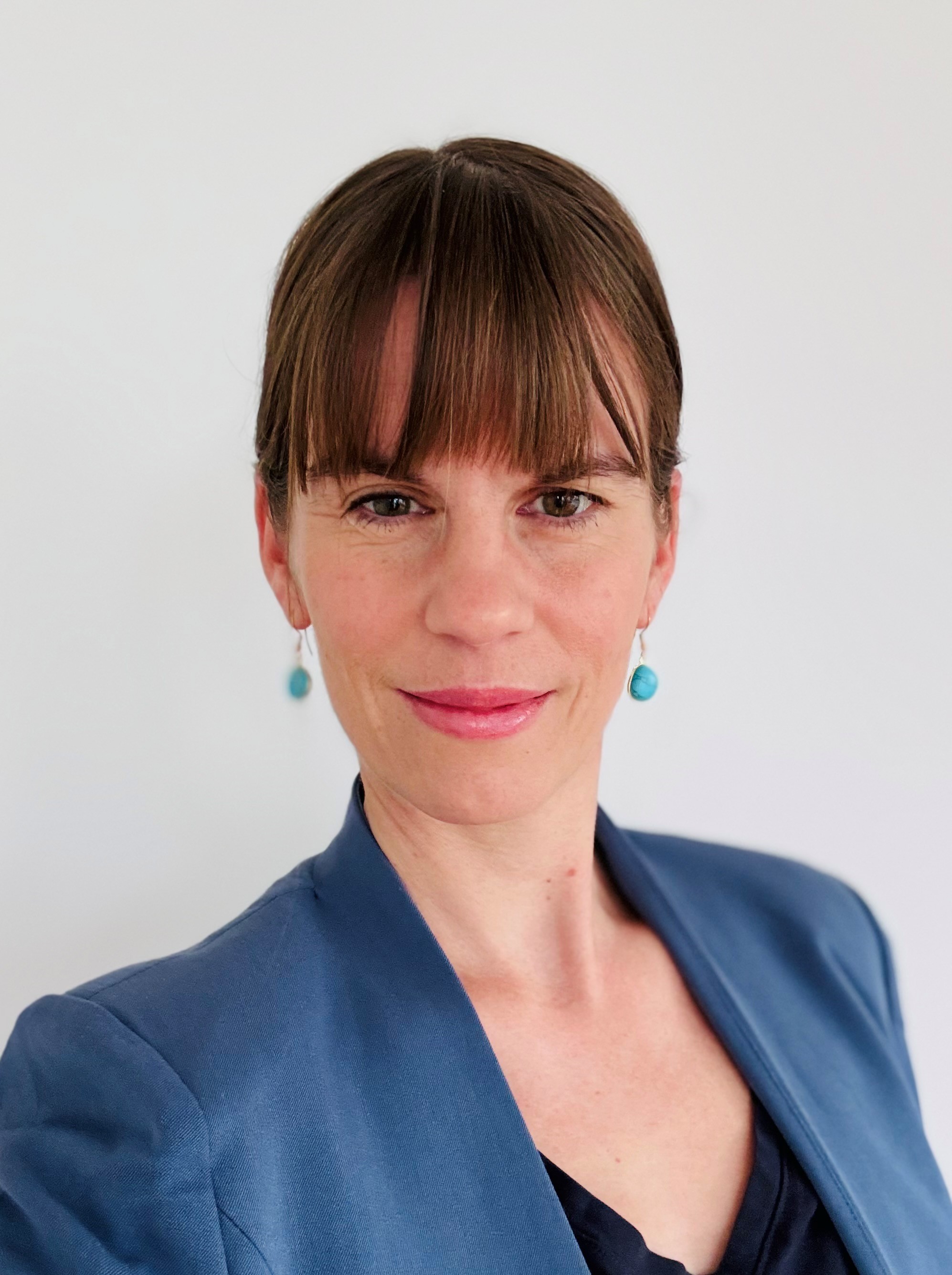
How did the idea to establish innovation platforms emerge, and what is their main objective?
The idea behind Fraunhofer Innovation Platforms (FIP) emerged in the late 2000s. Fraunhofer decided to develop a more flexible collaboration model that would complement its existing legally independent foreign Fraunhofer affiliates. The motivation was to team up with leading research partners to jointly develop innovative solutions and, by using both brand names, offer application-oriented research services to local innovation players, primarily companies.
What typically precedes such a partnership?
FIPs typically build on existing collaborations, such as joint research projects or personal networks between individual researchers. A key prerequisite is the presence of strong scientific and strategic synergies, combined with a shared vision for translating research into industrial applications. Eligible partners are universities and non-profit research institutions. If a Fraunhofer institute and its research partner intend to initiate a FIP, they submit a joint proposal, which is evaluated by a selection committee at Fraunhofer headquarters. FIP calls take place twice a year, and typically one proposal per call is invited to the full proposal stage. After selection, the partners prepare a business plan for the planned collaboration, while the legal departments negotiate the framework agreement in parallel.
What criteria must your partners meet?
We look for partners with a strong commitment to applied research and an interest in long-term collaboration with Fraunhofer. A key consideration is whether both partners can jointly create added value and develop a viable, market-oriented research portfolio. Fraunhofer seeks partners that bring in strong expertise in the relevant research field, access to complementary research infrastructure and strong links to industrial networks. In addition, the FIPs research portfolio must align with the Fraunhofer institute’s strategic research priorities. The market potential of the partner country is also considered.
How many countries do innovation platforms currently operate in?
Currently, there are 13 ongoing Fraunhofer Innovation Platforms worldwide in nine countries, with additional ones in preparation. They are located across Europe, Asia and the Americas, reflecting Fraunhofer’s global network. Of these the oldest still in operation is the Fraunhofer Innovation Platform for Composites Research at Western University in Ontario, Canada. However, the earliest pilot projects of this collaboration model were launched with partners in Greece and Poland. The most recent platform was established at Tongji University in China, focusing on intelligent transportation and mobility monitoring.
What do the tangible outputs of these collaborations look like in practice?
FIP teams combine their expertise to jointly develop applied technologies, innovative methods, prototypes and consulting services through contract research for industry partners as well as publicly funded projects. Some FIPs also contribute to standardization activities. To disseminate research results, the partners organize FIP events and industry workshops and participate in international conferences and trade fairs. Training researchers and students also plays an important role. Depending on the field, FIPs often pursue patent applications and licensing. In addition, spin-offs have already emerged from successful FIP projects.
So, both partners benefit from the collaboration?
FIP collaboration is designed to be mutually beneficial for both partners. The partner organization typically benefits from the Fraunhofer institute’s strong application focus, while Fraunhofer benefits from the partner’s scientific expertise and local network. Fraunhofer’s mission is to strengthen German and European industry and society. Industry partners gain access to cutting-edge research solutions, while society benefits from innovations that also address global challenges.
What research areas do the FIPs focus on, and can any overarching trends be identified?
FIPs focus on research areas that are highly relevant to industry and society. Topics of currently ongoing FIPs include advanced manufacturing and production technologies, innovative materials, sustainable energy and data-driven technologies. A clear trend is the increasing emphasis on interdisciplinary approaches and sustainability-driven innovation, as well as the growing integration of artificial intelligence.
Do the individual FIPs cooperate with each other? If so, how?
We observe growing cooperation between individual FIPs, for example through cross-platform research initiatives, joint workshops and networking events, and the exchange of best practices. Such collaboration strengthens the global Fraunhofer network and helps scale innovations across regions.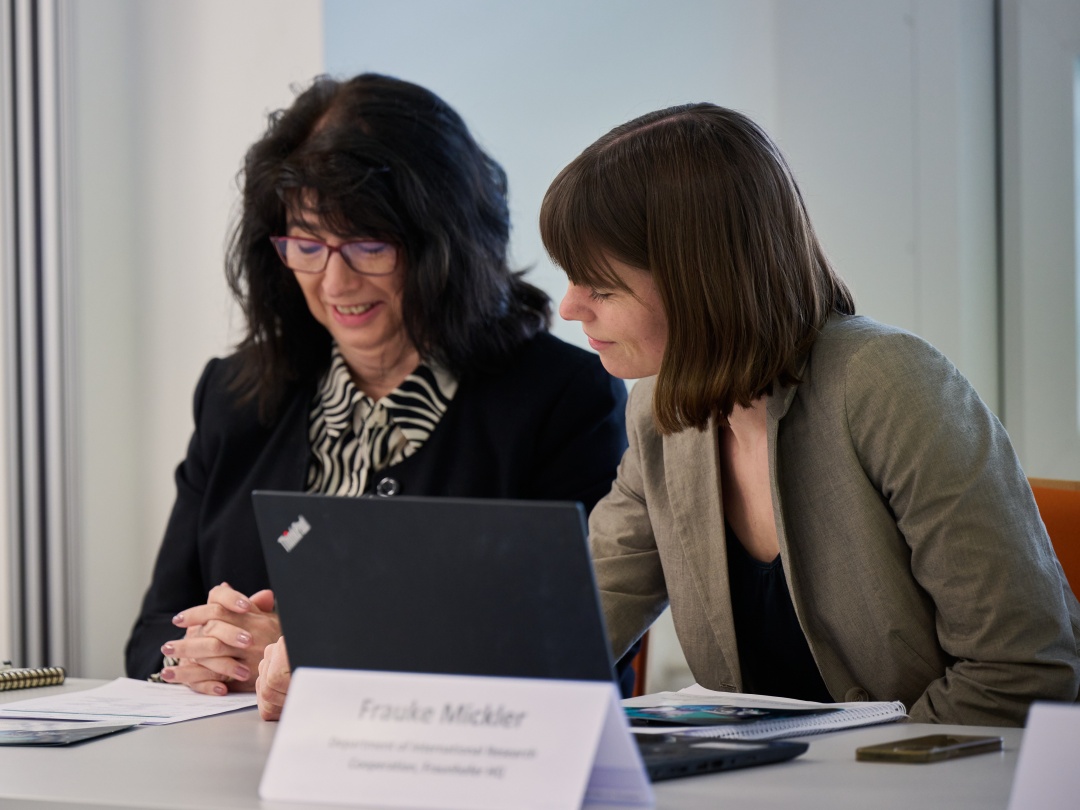
Ostrava can play an important role in the clean energy transition
Why did you decide to establish the FIP-AI@VSB-TUO platform with VSB – Technical University of Ostrava?
FIP-AI@VSB-TUO builds on a partnership established in 2014 between Fraunhofer IWU and the Faculty of Electrical Engineering and Computer Science at VSB - Technical University of Ostrava, as well as a long history of collaboration between Fraunhofer ICT and Czech partners, particularly in materials research and energy efficiency. The aim was to bring together applied research in materials science, production technology and artificial intelligence to develop sustainable technologies that support the European Green Deal.
How do you evaluate the first five years of FIP‑AI@VSB‑TUO? How does it compare with other platforms, and why did you decide to support its continuation for the next period?
Each FIP is supported by a Supervisory Group and an Advisory Council, composed of, among others, external industry partners, who follow the activities of the FIP and provide feedback. In its initial phase, FIP-AI@VSB-TUO established effective collaboration structures, launched promising research projects and engaged industrial partners. The Supervisory Group highlighted the strong commitment of the partners, as well as the high quality of the research and high visibility in the scientific community. The decision to support the second phase reflects confidence in the development of the FIP and its strategic relevance. Over the next five years, the research portfolio will be updated regularly in line with industry needs, and the platform will further strengthen business development and customer acquisition.
What benefits does cooperation with FIP-AI@VSB-TUO bring to the industrial sector?
Industrial partners benefit from direct access to cutting-edge research in applied artificial intelligence and engineering solutions. The platform offers tailored solutions for real-world challenges across the full value chain - from materials to production and system integration - by combining the competencies of two Fraunhofer institutes and VSB-TUO. The FIP’s research portfolio for industry comprises solutions in applied AI for predicting material properties and the operational behaviour of materials and components. It further includes applied AI approaches for forming processes and process chains, as well as expertise in incremental sheet metal forming and polymer engineering. In addition, FIP-AI@VSB-TUO offers solutions in thermal energy storage, gas separation and carbon capture, as well as in key energy technologies such as batteries, electrolysers and fuel cells.
The FIP serves as a bridge between research and industry, reducing barriers to innovation and strengthening competitiveness
What is the position of Fraunhofer IWU and ICT in European and global R&D?
Fraunhofer ICT and IWU, as specialised institutes of the Fraunhofer-Gesellschaft are key players in applied research in Europe. While Fraunhofer ICT focuses on materials research, energy systems and process innovations, Fraunhofer IWU contributes leading expertise in resource-efficient production, forming technologies, machine tools and integrated production systems. Like all Fraunhofer institutes, Fraunhofer ICT and IWU operate globally by assessing promising markets and collaborating with partners worldwide to advance research and innovation.
Do you have other collaborations in the Czech Republic, or are you planning to establish another FIP here?
Fraunhofer collaborates with several partners in the Czech Republic from industry, academia and the public sector through project-based cooperation, for example in bilateral projects or European Union-funded consortia. A positive trend has been observed in recent years, with an increasing number of industry projects involving Czech partners. It is conceivable that additional Fraunhofer institutes may apply for a FIP together with a Czech research institution to further expand this cooperation.
In the context of the current energy situation, do you observe increased interest in innovation among German companies?
German industry is facing a major transformation challenge. High energy costs, the need for decarbonization and political uncertainties put significant pressure on companies, contributing to declining production and the relocation of energy-intensive processes, particularly in globally competitive sectors. At the same time, the crisis can act as a catalyst for innovation, encouraging companies to improve efficiency and invest in new technologies. Fraunhofer aims to use this momentum to drive innovation.
Thanks to extensive international cooperation, it is possible to compare R&D systems across countries. In your opinion, are there any barriers that should be removed? And from whom could we learn the most?
Extensive international cooperation indeed offers a valuable comparative perspective on different R&D systems. What becomes clear from such comparisons is that the main barriers are rarely scientific or technological. Rather, they tend to be structural, regulatory and administrative in nature. As to whom we could learn from, international comparison suggests that no single country offers a universal model. Instead, different systems excel in different dimensions. Smaller and mid‑sized countries often demonstrate how limited resources can be used strategically through clear priorities and close links between research, industry and society. Larger systems, by contrast, show the value of scale, long‑term funding instruments and strong national research infrastructures.
Ultimately, the most important lesson is not to copy any one system, but to remain open to learning from diverse approaches. Successful R&D ecosystems tend to combine stability with openness, competition with cooperation, and national strengths with international connectivity. Removing barriers, therefore, is less about complete deregulation and more about designing frameworks that enable trust, mobility and long‑term collaboration across borders.
Is it difficult to motivate collaboration and address concerns about competition?
While competition is a natural element of innovation ecosystems, experience shows that collaboration can create added value for all partners. Our FIP partners are convinced that joining forces to solve shared challenges brings clear benefits. Clear governance structures, trust and transparent communication are key to addressing concerns. When partners recognise the mutual benefits and complement each other’s strengths, collaboration becomes not only feasible but a highly effective approach.
Frauke Mickler is a Program Manager for International Research Collaboration at Fraunhofer-Gesellschaft, where she has been working since December 2024. Before joining Fraunhofer, she served as Managing Director of the Center for Functional Protein Assemblies (CPA) at the Technical University of Munich (TUM). Earlier in her career, she worked as a research associate at Ludwig-Maximilians-Universität Munich (LMU) within the Excellence Cluster Center for Nanoscience. She holds a PhD in Physical Chemistry from LMU Munich and has an academic background in Biochemistry from the Technical University of Munich.
Interview published on the Vědavýzkum.cz portal
Text: Martina Šaradínová
Photo: Petr Havlíček and Frauke Mickler archive