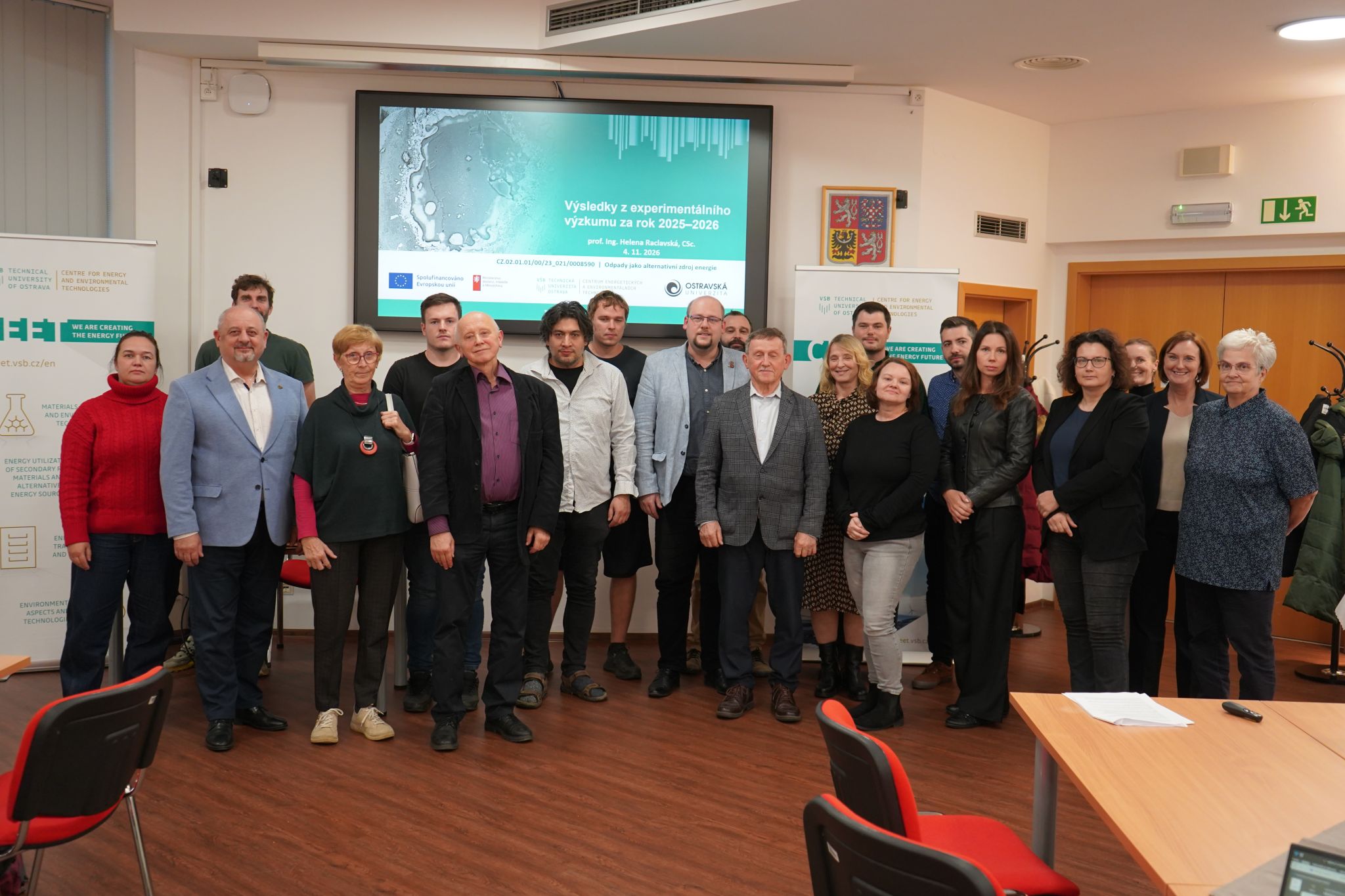
Researchers and partners in the “Waste as an Alternative Energy Source” project presented the results of their work to date at a workshop held on 4 November 2026 at VSB – Technical University of Ostrava. The event brought together teams from VSB-TUO and the University of Ostrava with representatives of RPS Ostrava a.s. and BorsodChem MCHZ, s.r.o.
The programme covered five research areas. Researchers discussed optimising the composition of solid alternative fuels (TAP), stabilising the mechanical and physical properties of bulk solids during the production of these fuels, and plasma gasification of waste to produce synthesis gas. Other topics included CO₂ capture, separation and catalytic conversion, as well as social acceptance and the role of human capital in the energy transition.
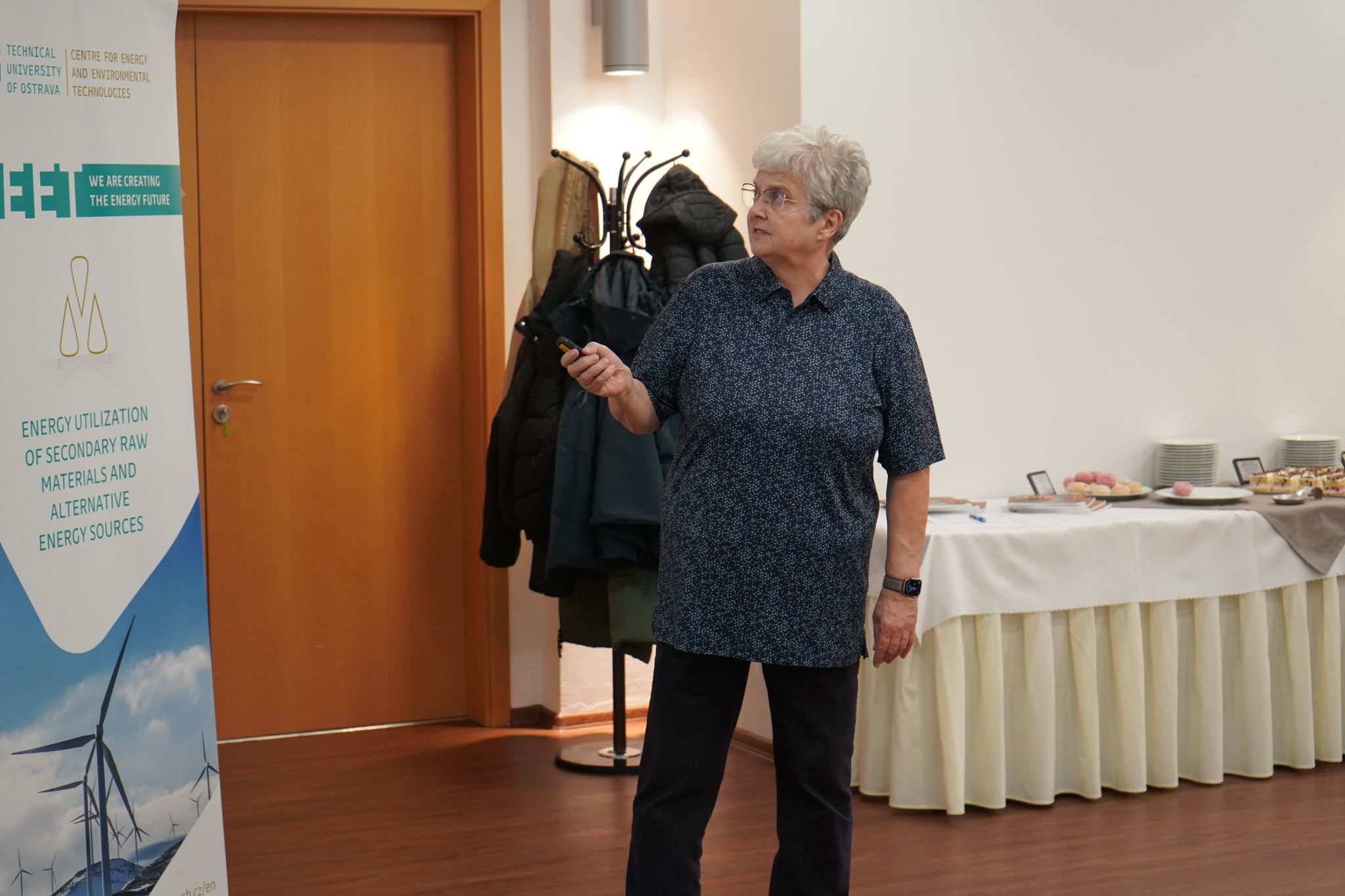
“Our cooperation with CEET, and specifically its Bulk Materials Research Group, has been excellent. We have worked together on other projects in the past, and the collaboration has always benefited our company. It is a valuable link between academia and industry. We have already incorporated some of the findings from our joint work into equipment we are developing together. One example is a wind turbine currently undergoing operational testing. I would describe it as a mutually beneficial partnership.I personally found the workshop very informative. Several presentations highlighted the variable properties of alternative fuels that we encounter in practice and that can be difficult to characterise. Together, we are looking for both ways to monitor these properties and technical solutions to address the associated problems. It was interesting to hear not only the technical information, but also about the social impacts and public attitudes towards recovering energy from waste,” said Petr Dospiva, Technical Director at RPS Ostrava.
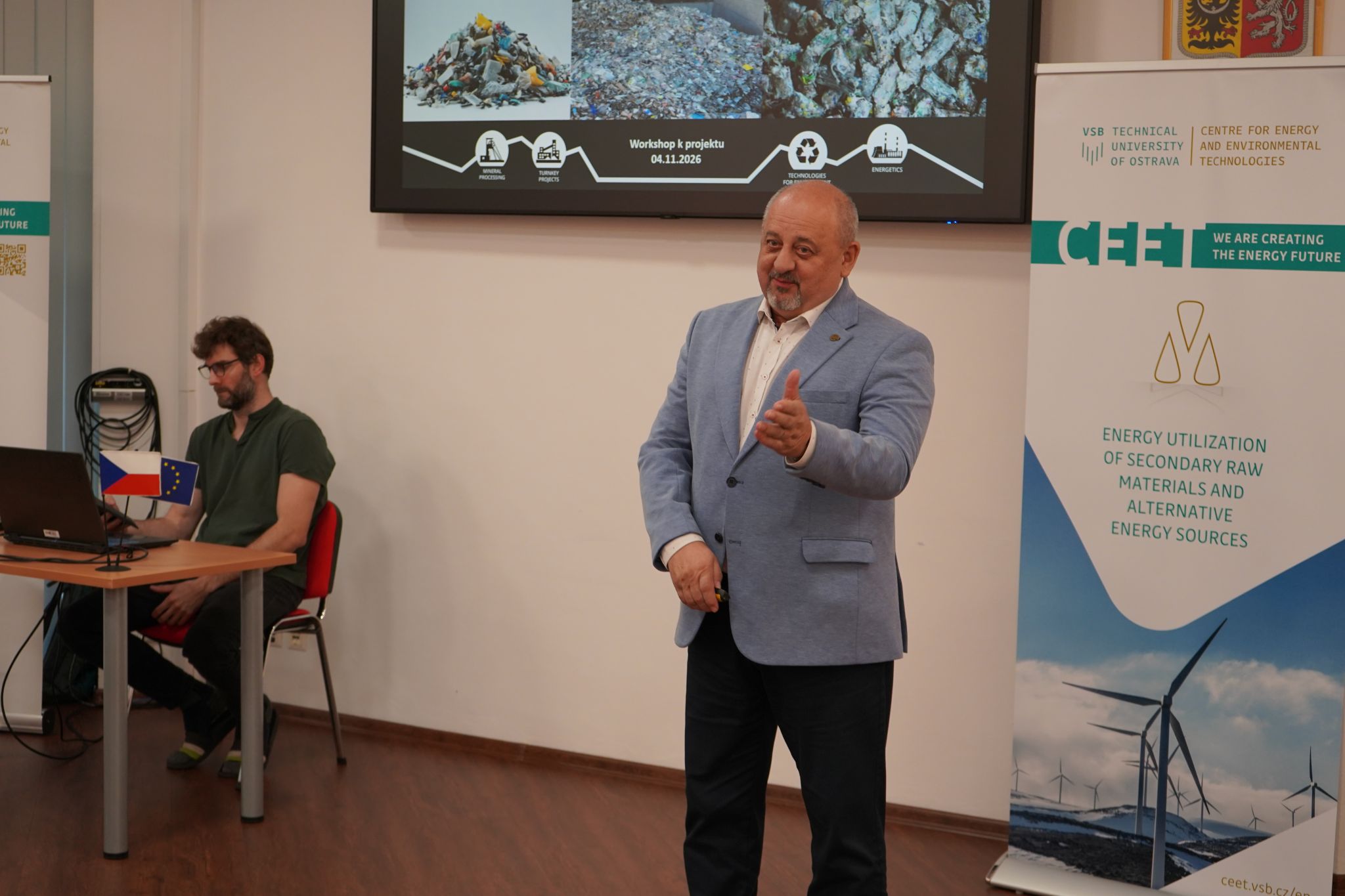
“Our cooperation with Pavel Leštinský’s team has been based on focused technical consultations, through which the industrial partner and the university share technical specifications and exchange knowledge. To support further research and testing, the academic partner was given access to technical facilities, along with practical knowledge of how to use specific equipment. Specific materials were then supplied for their own experiments.The presentations I attended addressed waste and recycling with a focus on practical applications, including solid alternative fuels. This is, of course, a welcome approach. Given the amount of CO₂ we produce, we would like future collaboration to focus on the possibility of converting it into marketable products in comparable quantities,” explained Ondřej Stružínský, Process Manager at BorsodChem MCHZ, s.r.o.
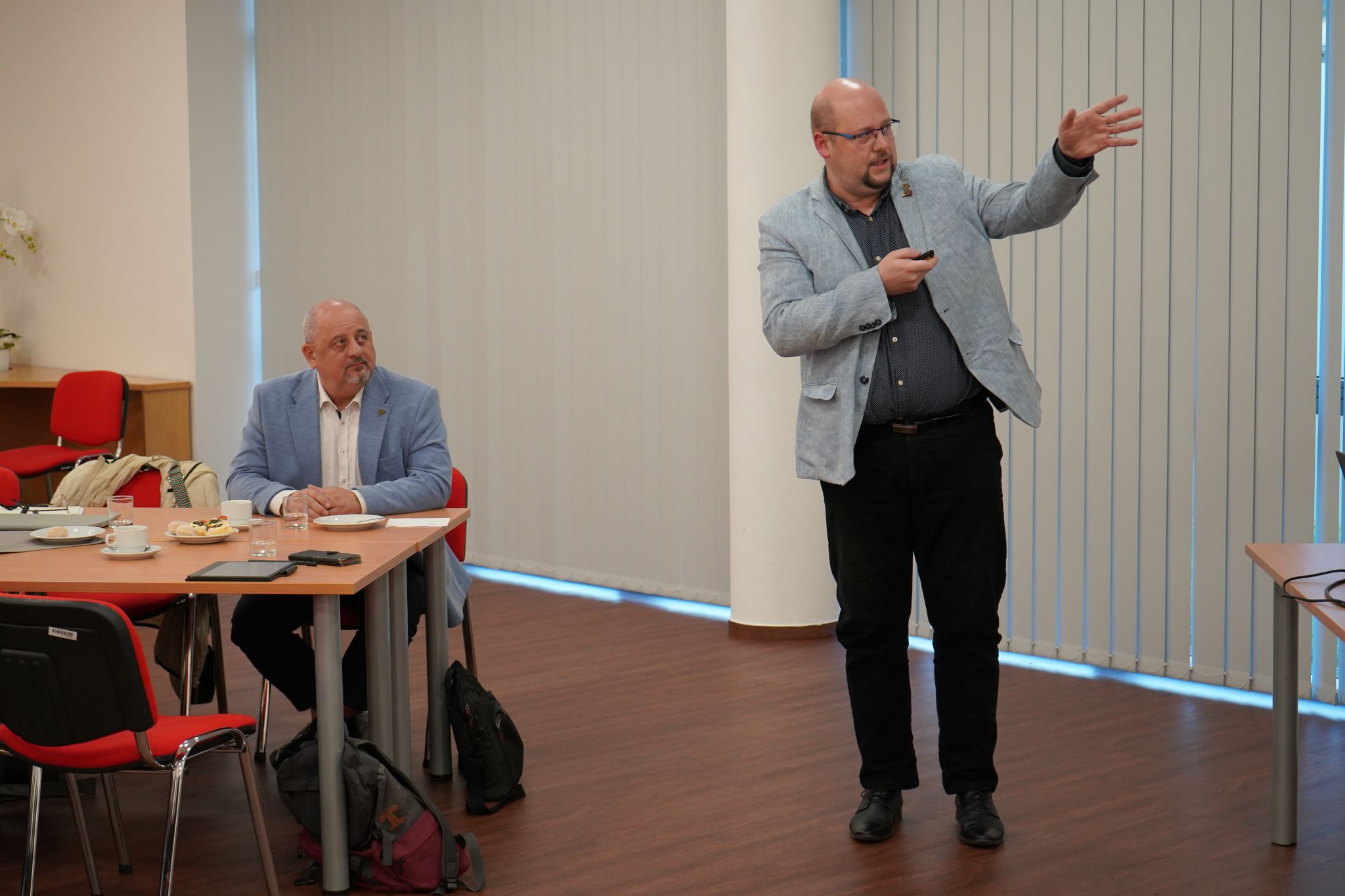
The project also assesses the potential health impacts of recovering energy from waste throughout the entire life cycle. The research thus brings together engineering, medicine and the social sciences.
“I feel very positive about the project because it connects with a wide range of my activities and my past work, both at VSB-TUO and at the Faculty of Medicine of the University of Ostrava. I will be taking part in the project as a member of the University of Ostrava’s team, where we are examining the potential health impacts of recovering energy from waste throughout the technology’s life cycle, from incoming materials through processing, storage, transport and energy production to the final outputs. It is an interesting task and, in my view, a worthwhile one, although up-to-date data are still limited, which creates uncertainty. In many ways, the project also feels like a natural fit for me because of my interest in environmental issues in the energy sector. I have been involved with the Energy Research Centre, now part of CEET, since its inception, and my work there also focuses on health and safety in the energy sector. What makes the project interesting is its broad scope: it spans engineering and economics, the natural sciences, medicine and the social sciences. It is good to have a multidisciplinary team tackling a complex problem. That was also what I found most encouraging about our project meeting. However, we will probably need to learn to communicate more often and in greater depth across the different areas of the project if we are to translate this into good results,” said Pavel Danihelka of the University of Ostrava.
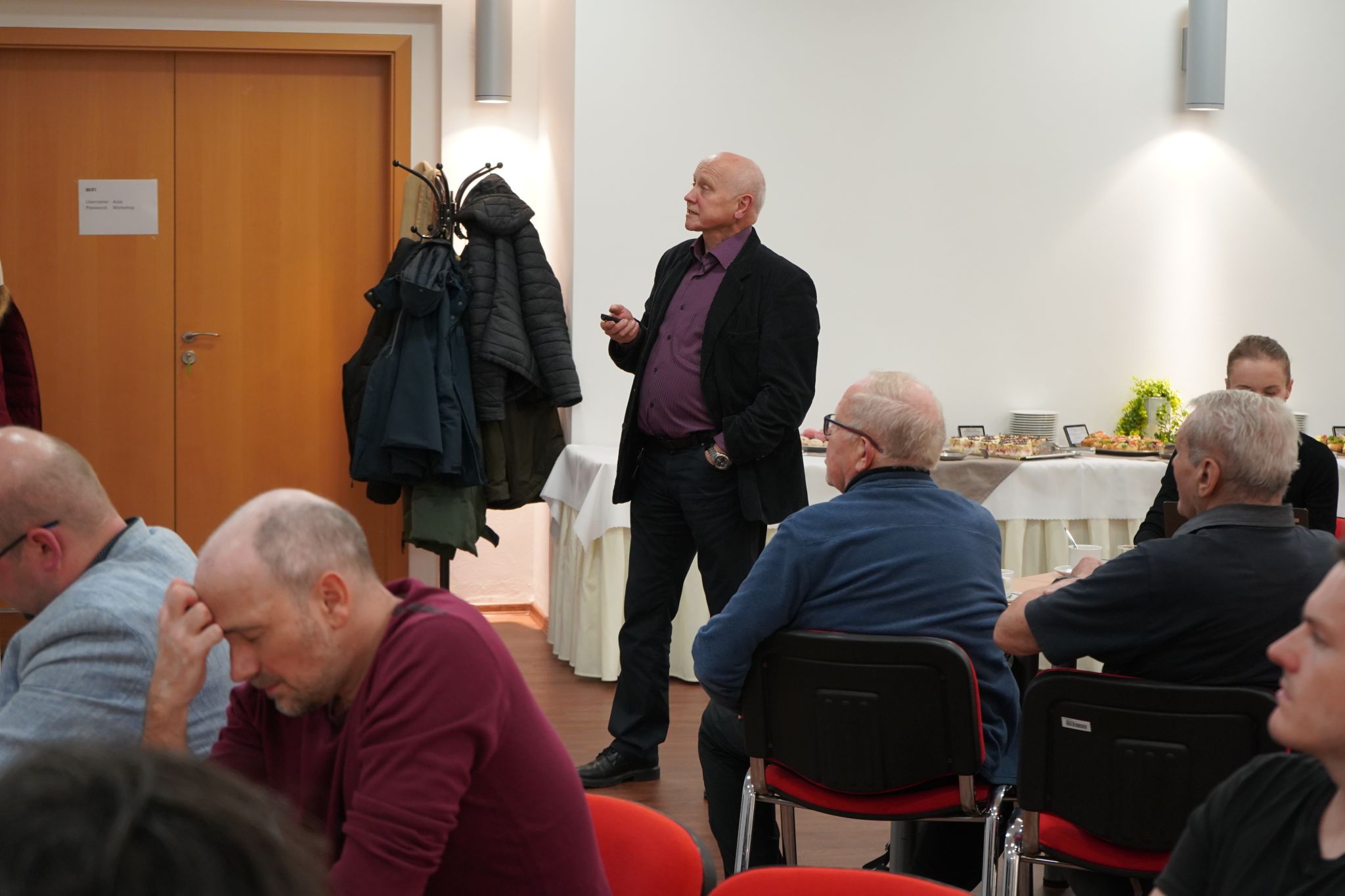
The workshop was held as part of the “Waste as an Alternative Energy Source” project, registration number CZ.02.01.01/00/23_021/0008590.